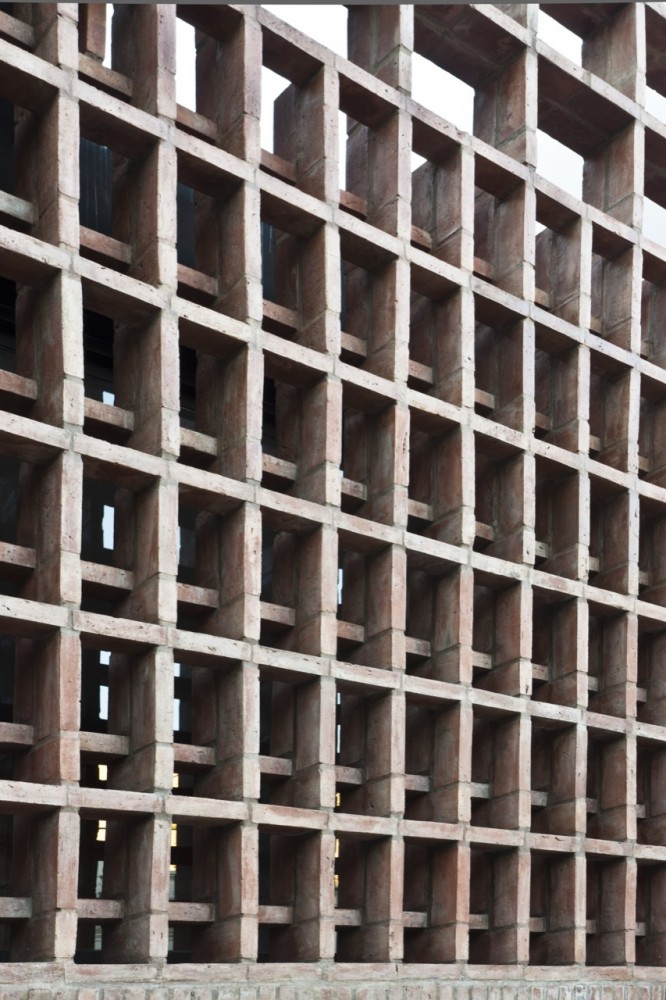
Architects: Ventura Virzi Arquitectos Location: Buenos Aires, Argentina Year: 2011 Photography: Federico Kulekdjian, Courtesy of Ventura Virzi









Your Custom Text Here
Architects: Ventura Virzi Arquitectos Location: Buenos Aires, Argentina Year: 2011 Photography: Federico Kulekdjian, Courtesy of Ventura Virzi

Architects: Pezo von Ellrichshausen
Location: Eduardo Park, Chile
Year: 2003
Photography: Courtsey of Pezo von Ellrichshausen
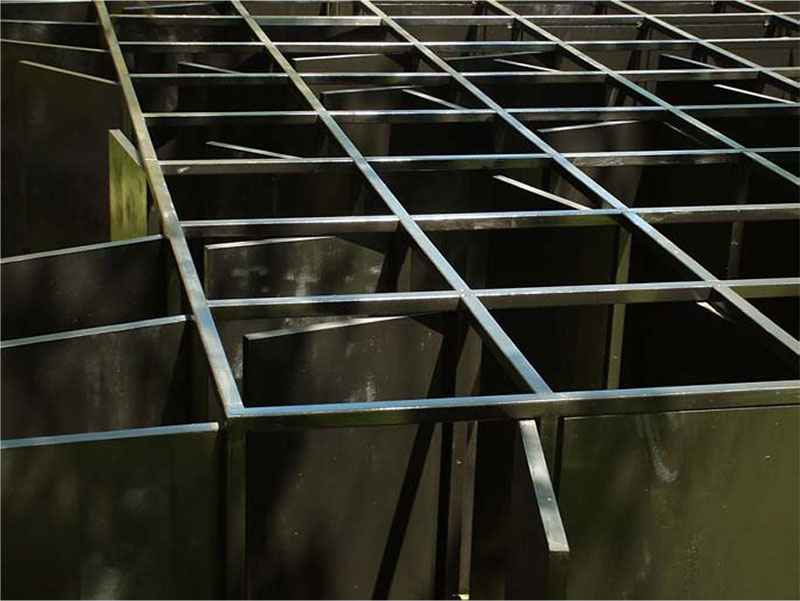
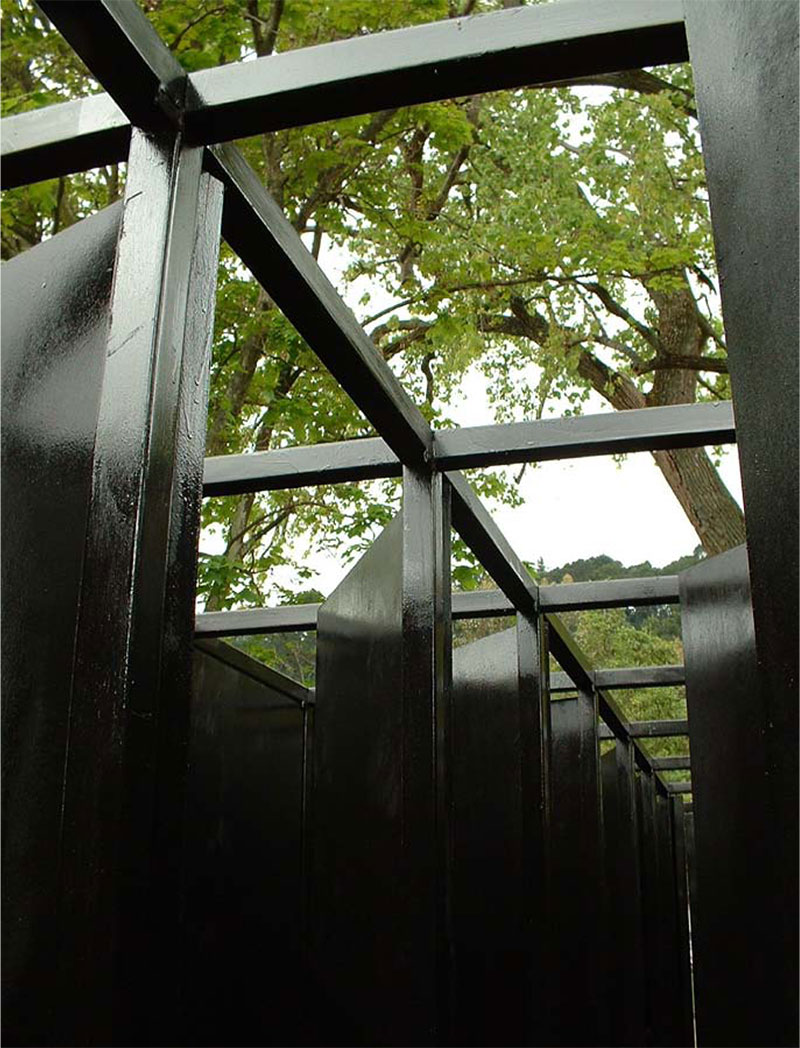
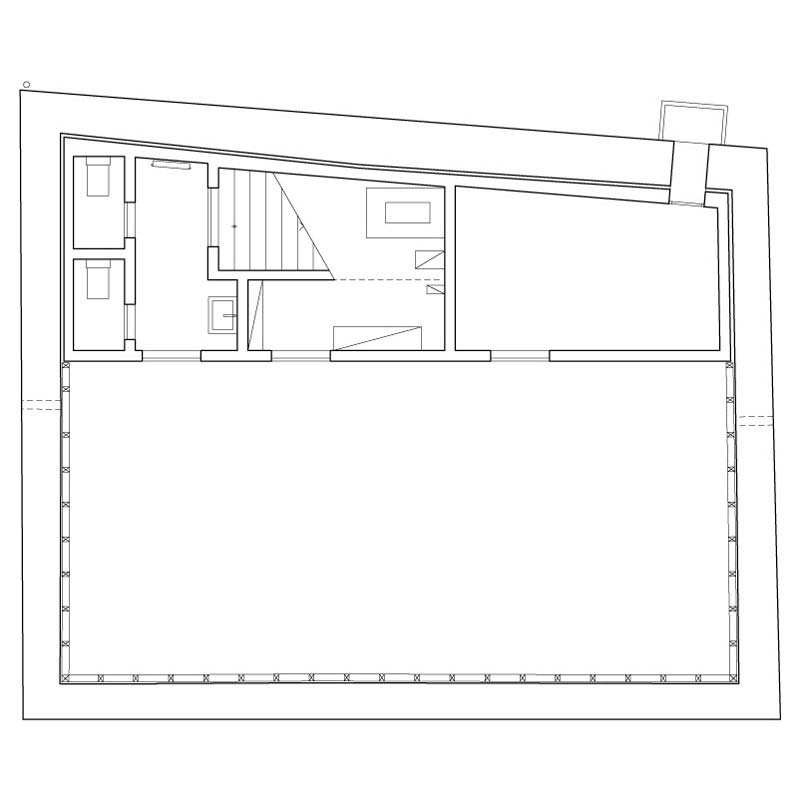
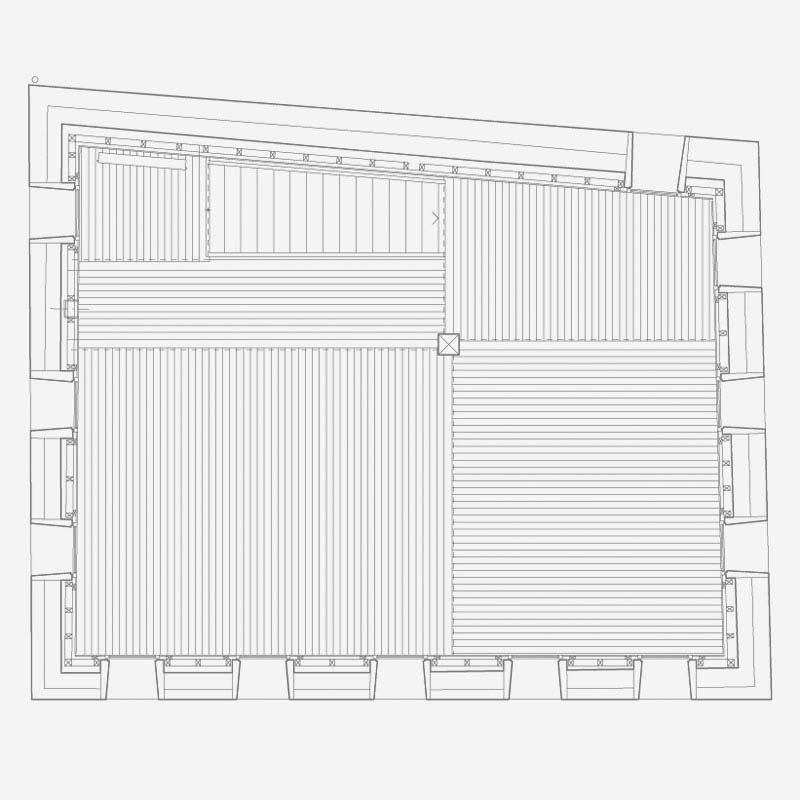
"These five perimeters operate as fences that confine a progressive sequence of interiority and depth of the space. Seen from the outside the exterior perimeter is a compact horizontal block. In the interior space is closed laterally and opens to the sky and the ground. This configuration establishes a series of paths along narrow spaces, verti-cal in section, that dissolve into a cubic central space confined within the smallest perimeter.
With this, what we were really looking for was a way to evidence how relative and artificial the distinctions of limits within a work of architecture are and, hence, within one of art. We are interested in exploring the points of transmission, or friction, between one place and another. We think of the doors as a turning point that sub-verts temporally the definition of space, adding a dynamic dimension to the construction of walls in a work of architecture, something that could be seen as a key that regulates the fluctuation of forces.
After a brief installation in a public park, the doors were donated to public housing and the structure was the only thing that remained in the place, apparently indestructible due to its naked-ness or, as Breuer said about his chairs, because its volume occupies no space."
Pezo von Ellrichshausen



Architects: Valerio Olgiati
Location: Flims, Switzerland
Year: 1999
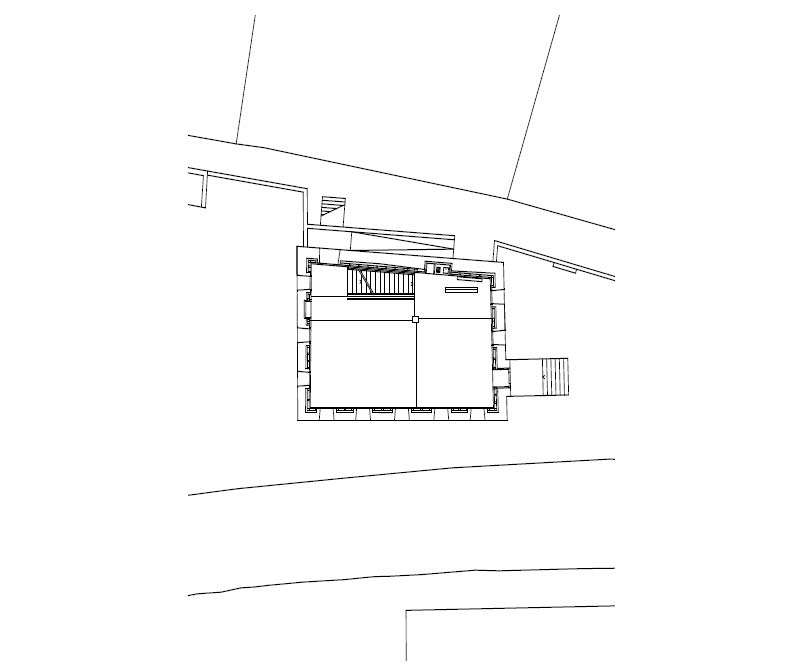
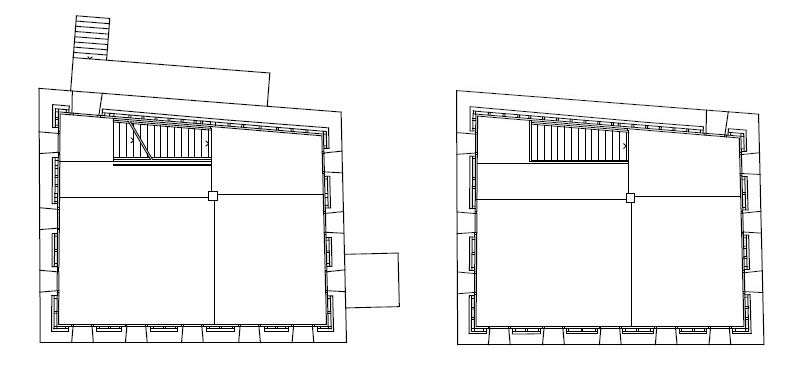
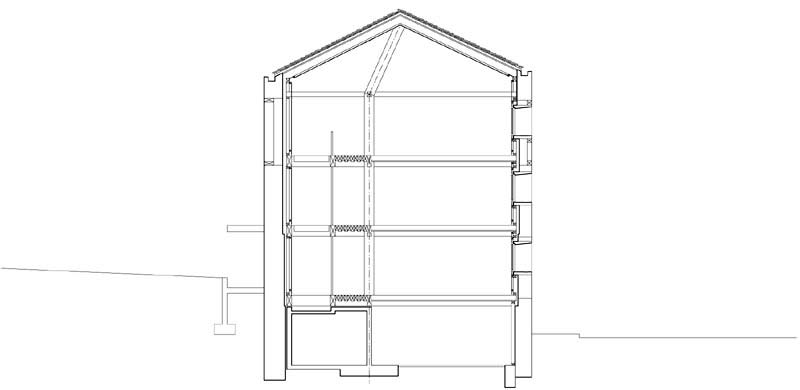
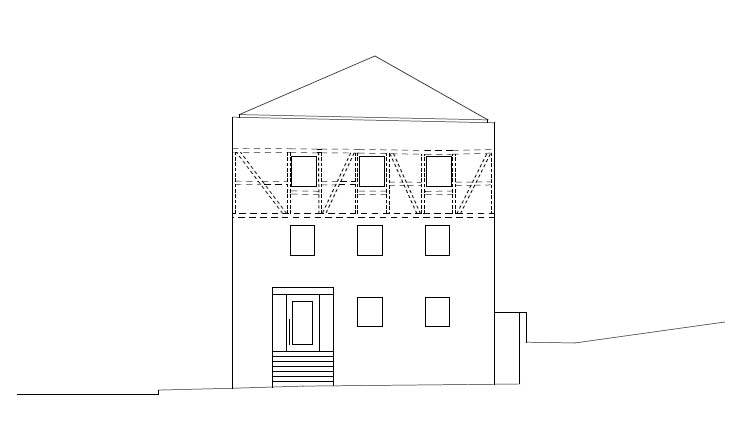
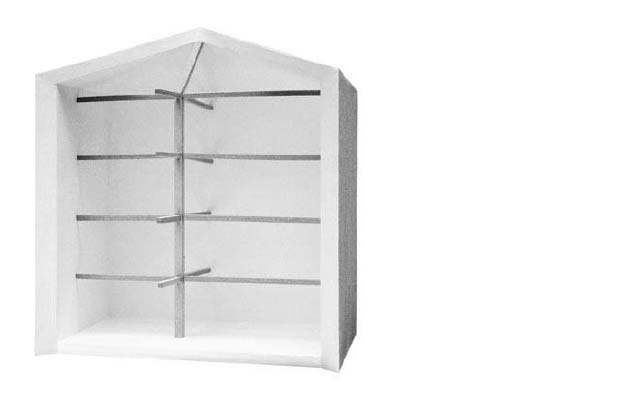
Das gelbe Haus

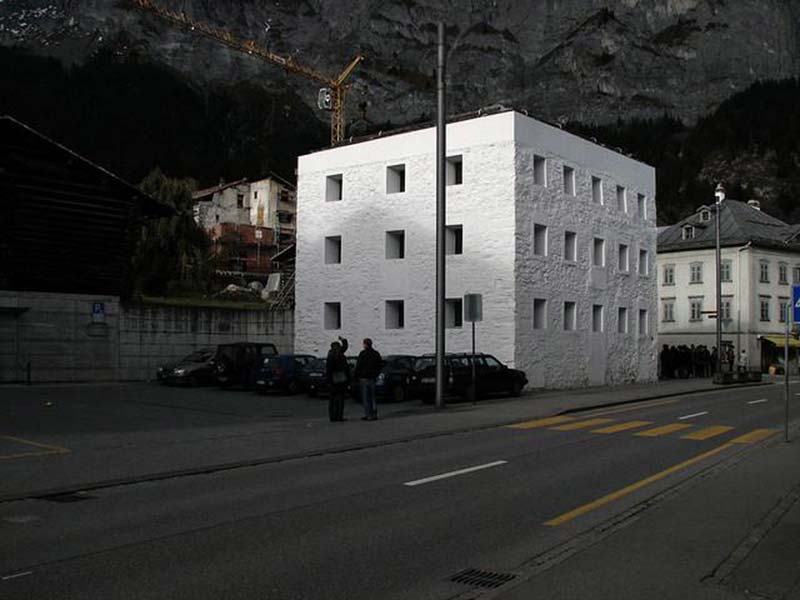
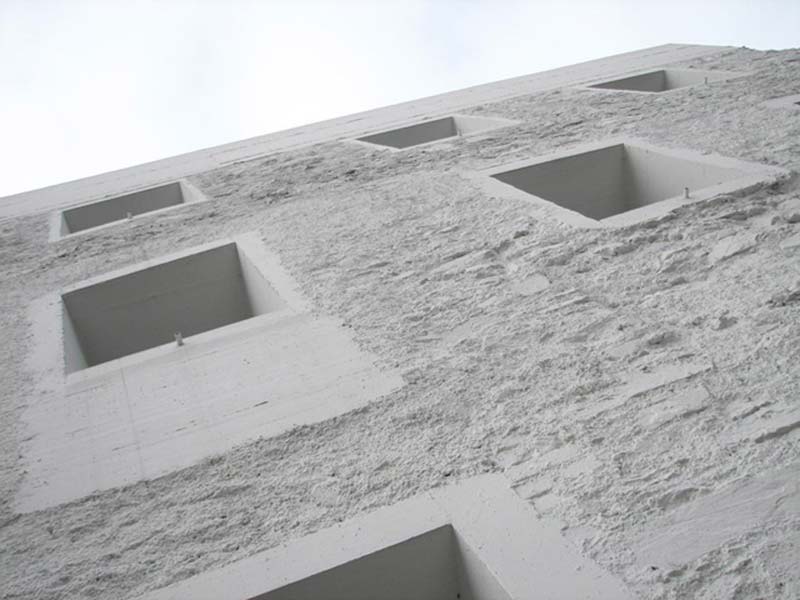
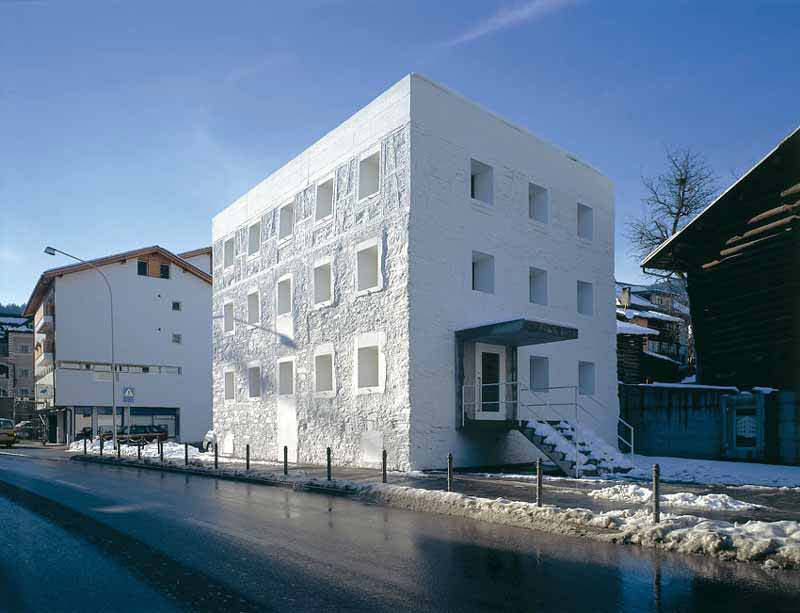
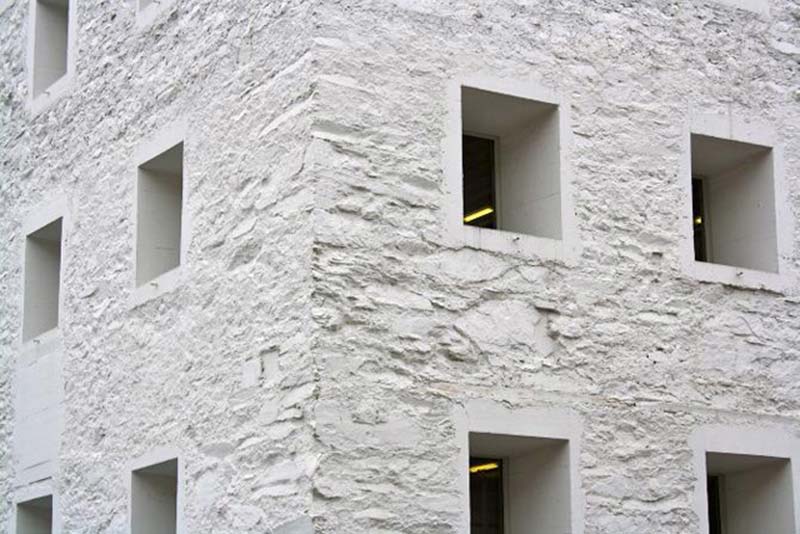





Photographs: Wikipedia, waullye.blogspot.fr, e-architect.co.uk, arch’it, artisan, archinfo.it, Francesca Vitale

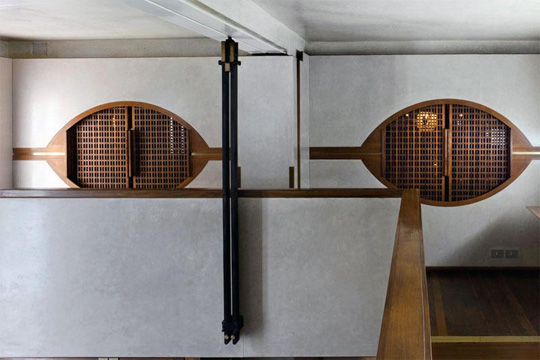
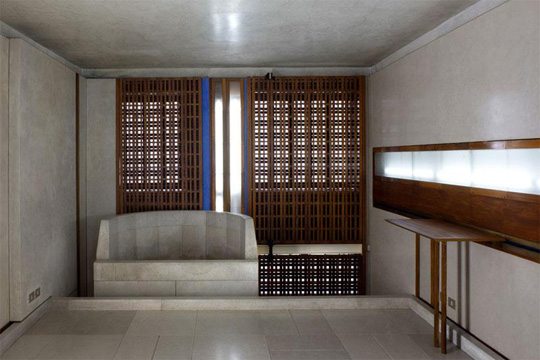
Architects: Carlo Scarpa
Location: Venice, Italy
Year: 1957
Photographs: seier+seier, patrizia_ferri, Orch_chemollo




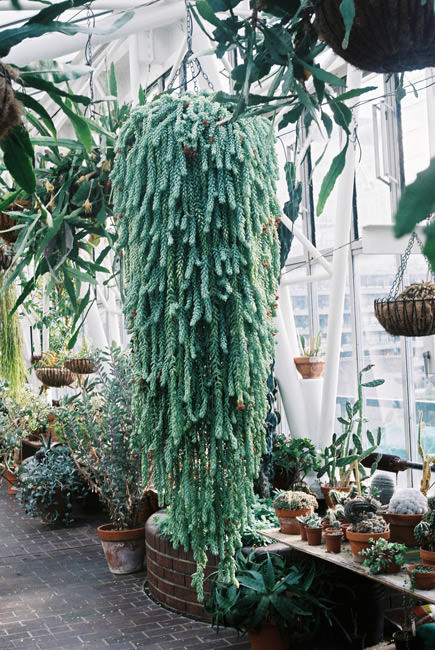
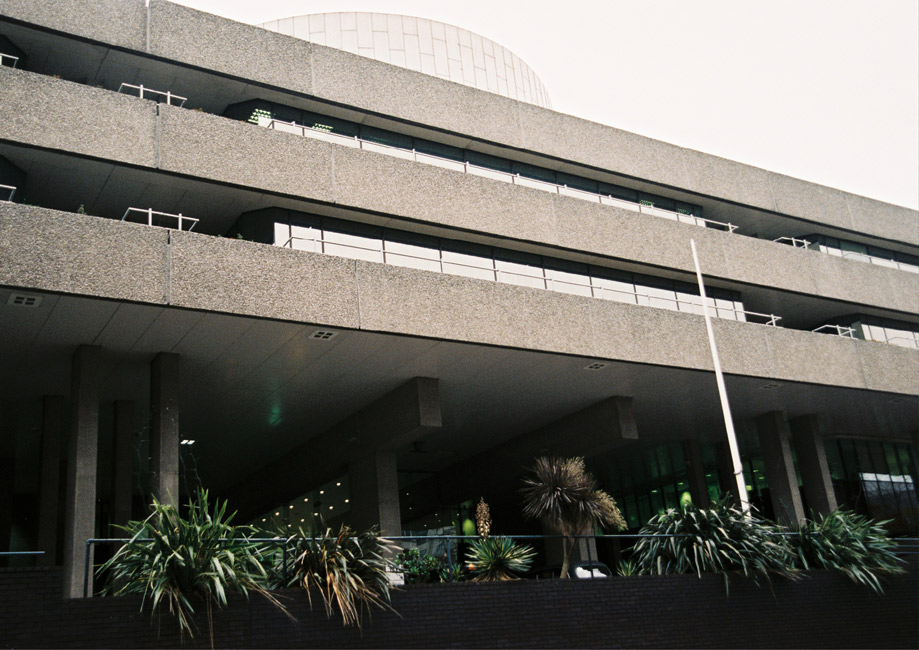
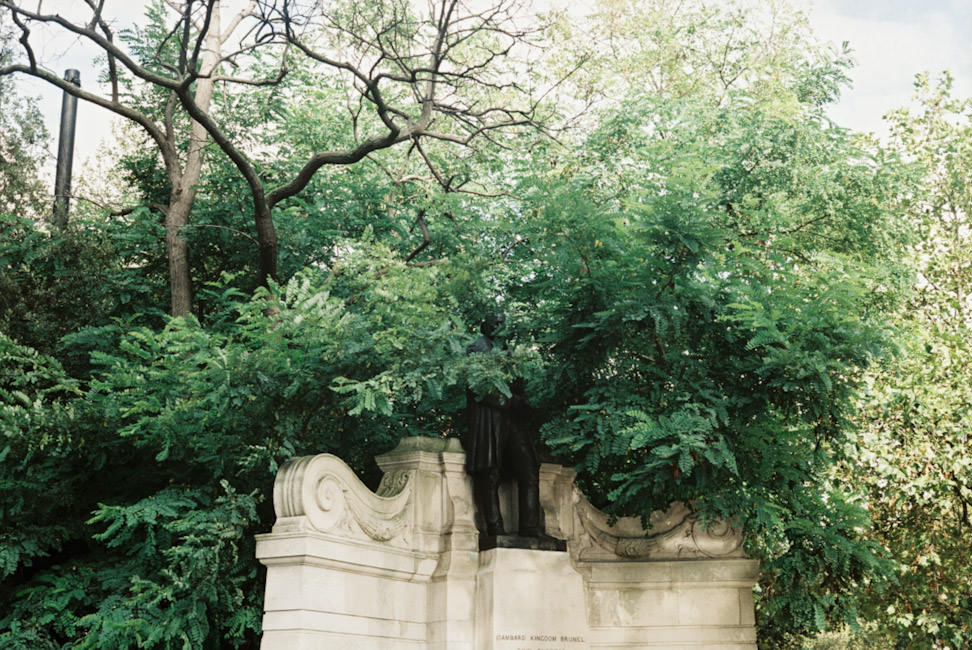
Urban Nature by Lena C. Emery
Urban Nature - The primary difference between art and architecture is that architecture doesn't only show how the world can and ought to be; it actually makes a part of the world the way it should be and is. Urban Nature is a formal study of architecture in the modern city and specifically the occurrence of natural elements within it. The key task of architecture should be "interpreting the world as a meaningful order in which the individual can find his place in the midst of nature and in the midst of a community". Karsten Harries
All photographs by Lena C.Emery




Many Small Cubes by Sou Fujimoto
Architect: Sou Fujimoto
Location: Paris
Year: 2014
Photographs: Marc Domage
"The floating masses of Many Small Cubes create a new experience of space, a rhythm of flickering shadows and lights, as being under the trees."
"The architecture forms one unified element whose balance and stability are carefully designed: the position of each cube and each tree participates to the overall stability, yet reaching a random-like feeling, bringing the whole architecture closer to nature."
Sou Fujimoto


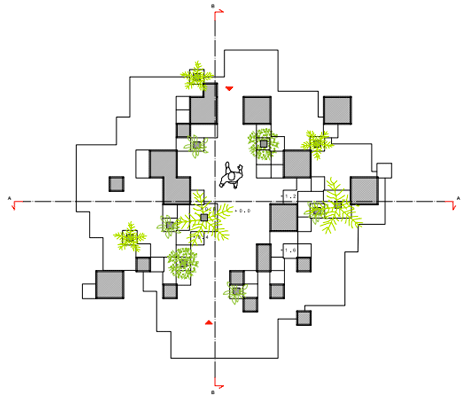


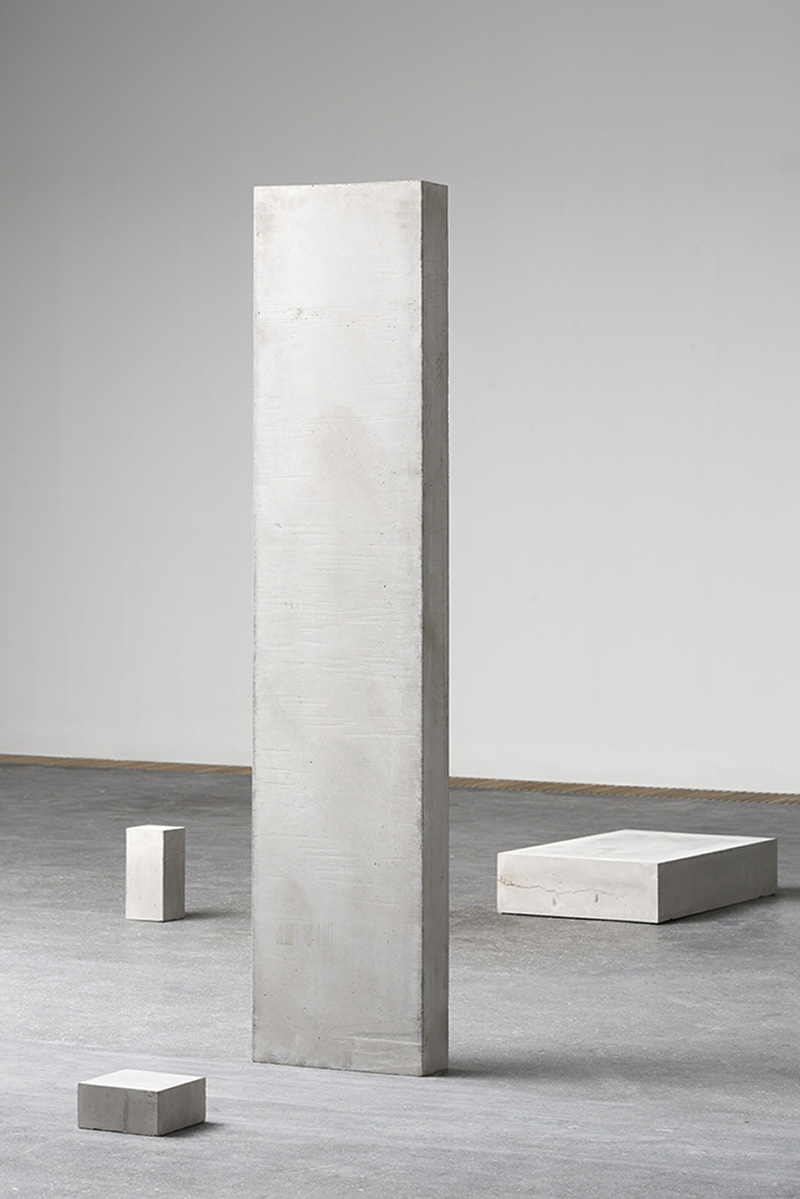
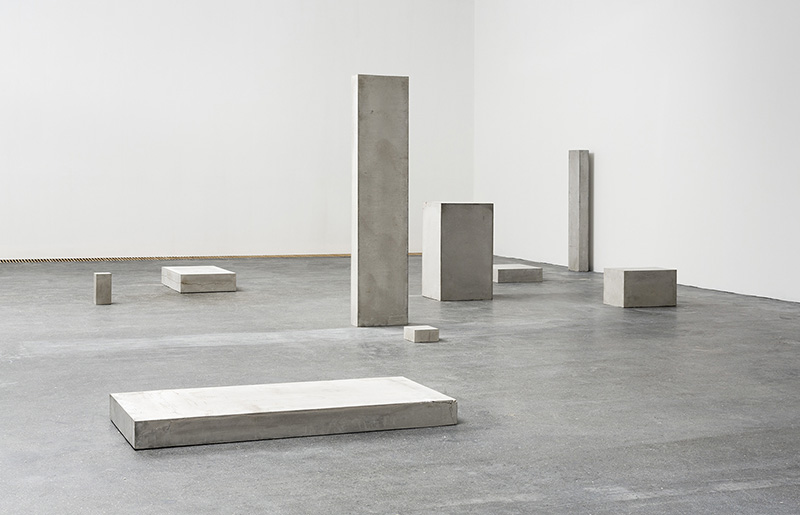
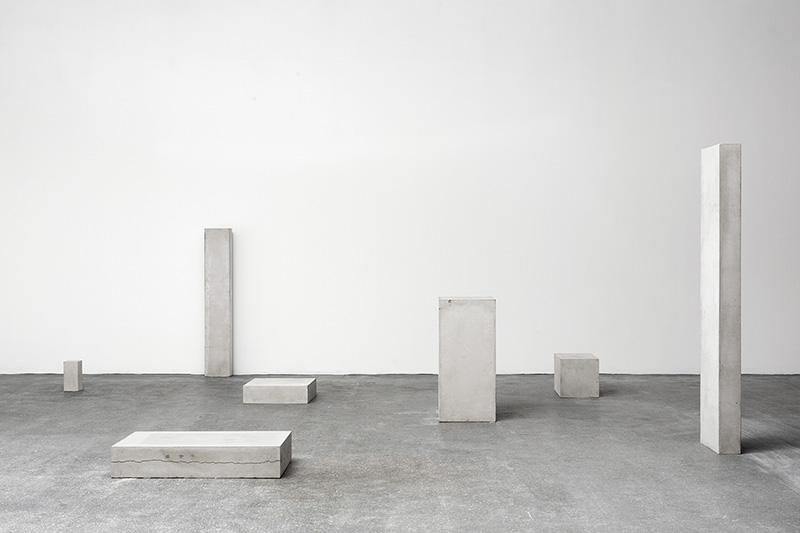
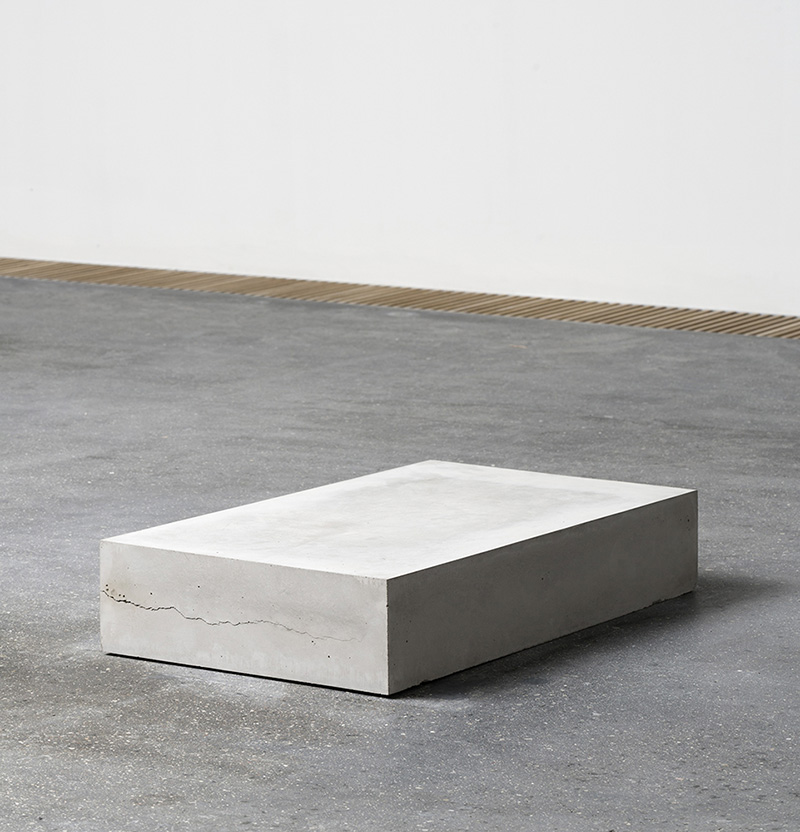
Im-materiality No. 3 (Consciousness) by Ebbe Stub Wittrup + Troels Sandegård
"Im-materiality No.3" is a collective exhibition, held at the Sorø Kunstmuseum.
The exhibition is curated by Brigitte Kirkhoff Eriksen, and presents itself as follows:
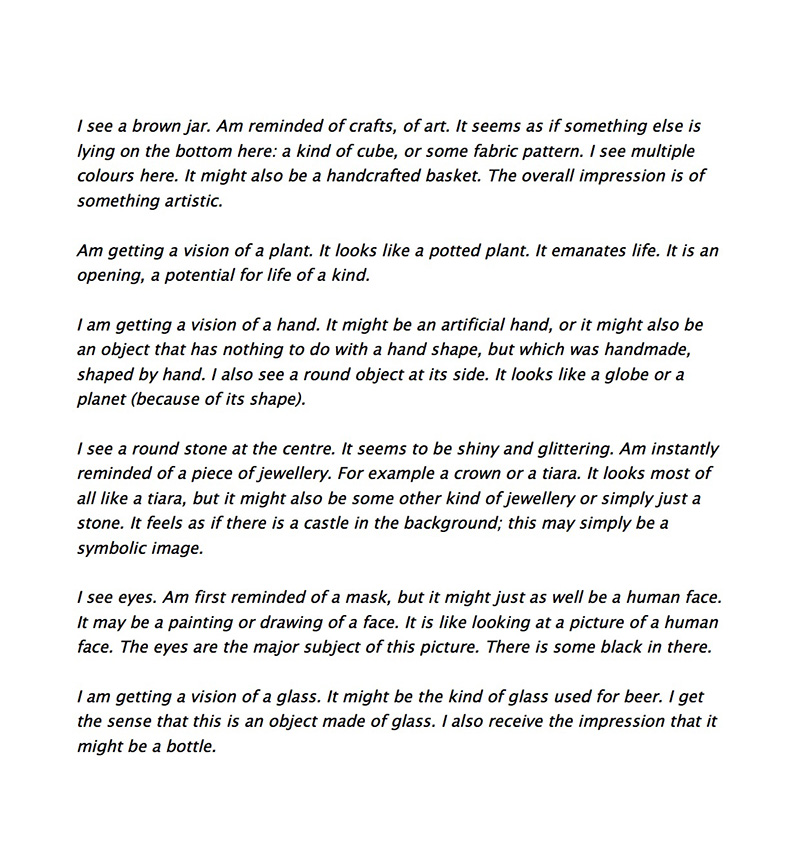
"Can we even understand the material world that lies outside of ourselves? Can we separate ourselves from it? How can we pose the question "what is real?" if "we cannot understand what is real unless we understand what 'what' means, and we cannot understand what 'what' means without understanding what 'means' is, but we cannot hope to understand what 'means' is without understanding what 'is' means." (Ray Brassier)
"We could give up right away. Nevertheless, Im-materiality No.3 will venture an attempt at describing the relationship between the consciousness and the surrounding world, between thought and thing, the immaterial and the material. The exhibition asks a lot of questions to which it offers no clear-cut answers. For the consciousness is an unsolved riddle and no one knows if it resides in one place or indeed everywhere."
Danish artists Ebbe Stub Wittrup + Troels Sandegård work with superstition and the creation of myths, optical illusions and tricks of the mind in his art. They take inspiration from psychology, theosophy, gestalt and colour theory, and they're ability of challenging and disturbing our logical and rational interaction with the world.



































Quisque iaculis facilisis lacinia. Mauris euismod pellentesque tellus sit amet mollis.